
Food Processor Buying Guides: Find the Right One for How You Cook
Each guide below ranks food processors around one specific need, so you can start from the way you cook rather than from a brand.
This is the starting point for every buying guide on KitchenWatt. Each card leads to a ranked page built around one question, such as which bowl material suits you, how loud a motor can be, or which machine copes with a particular recipe. Nothing is sold on this page; it exists to send you to the right guide.
Start with the need that matters most to you. Some cards are about the machine itself (glass, stainless steel, cordless, quiet, color, or a blender combo), and others are about a task (kneading dough, pie crust, nut butter, hummus). Read the card titles below, open the one closest to your situation, and come back if your priorities change.

Best Cuisinart Food Processor 2026: From Compact Choppers to the 14-Cup DFP-14BCNY
The best Cuisinart food processor for most cooks is the 14-cup Custom DFP-14BCNY. We rank all 10 models by job, from 3-cup minis to the 950-watt Core Custom.
Read the guide →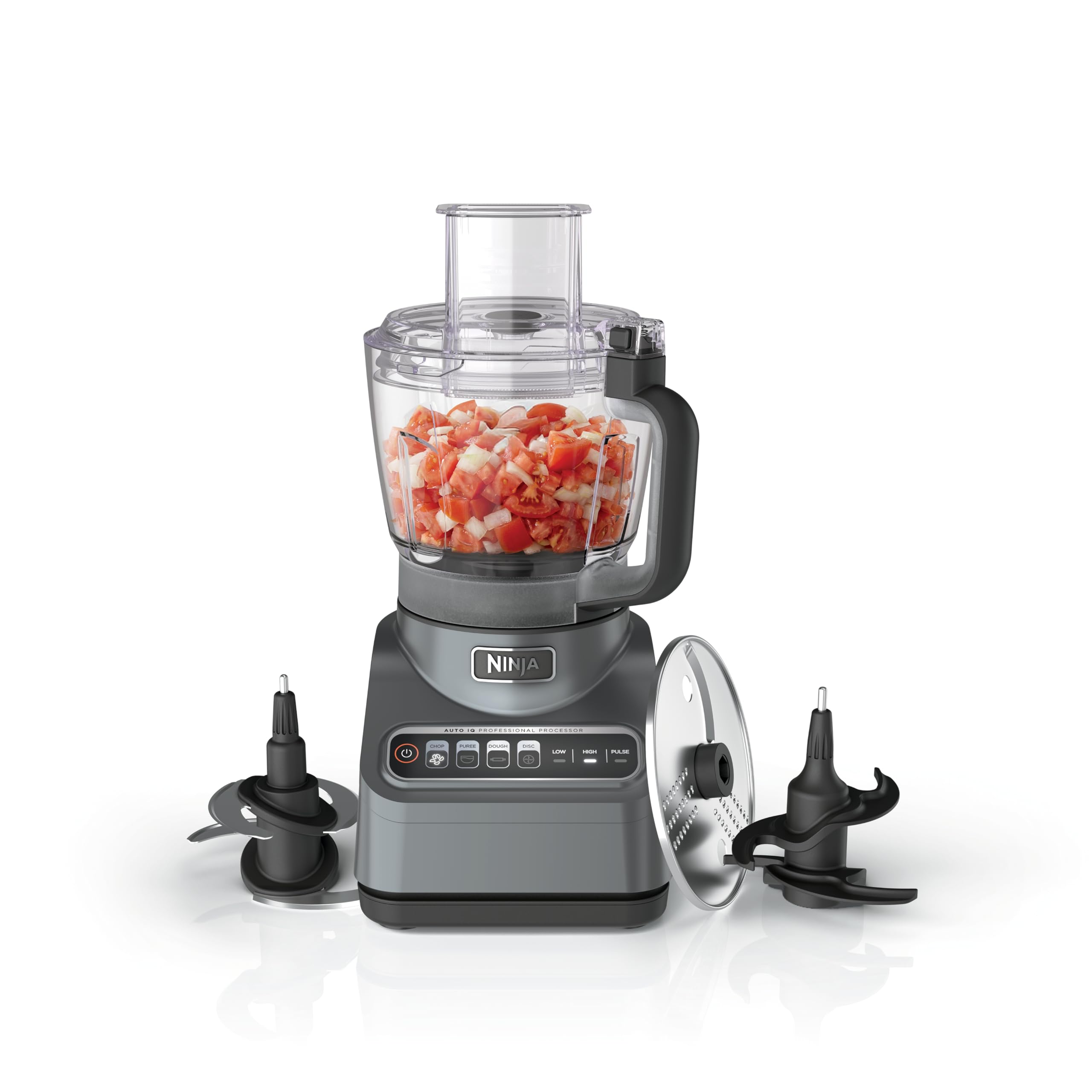
Best Food Processor 2026: Which Bowl Size and Motor Fit How You Cook
The best food processor for most US kitchens is the Ninja Professional Plus BN601, with preset programs and a 9-cup bowl. We match bowl and motor to you.
Read the guide →
Best Breville Food Processor 2026: Sous Chef, Paradice or All In One, and Which Size to Pick
The Sous Chef 16 is the best all-round Breville. The Sous Chef 9 and 12 suit smaller counters, Paradice suits dicing, and the All In One a tight space.
Read the guide →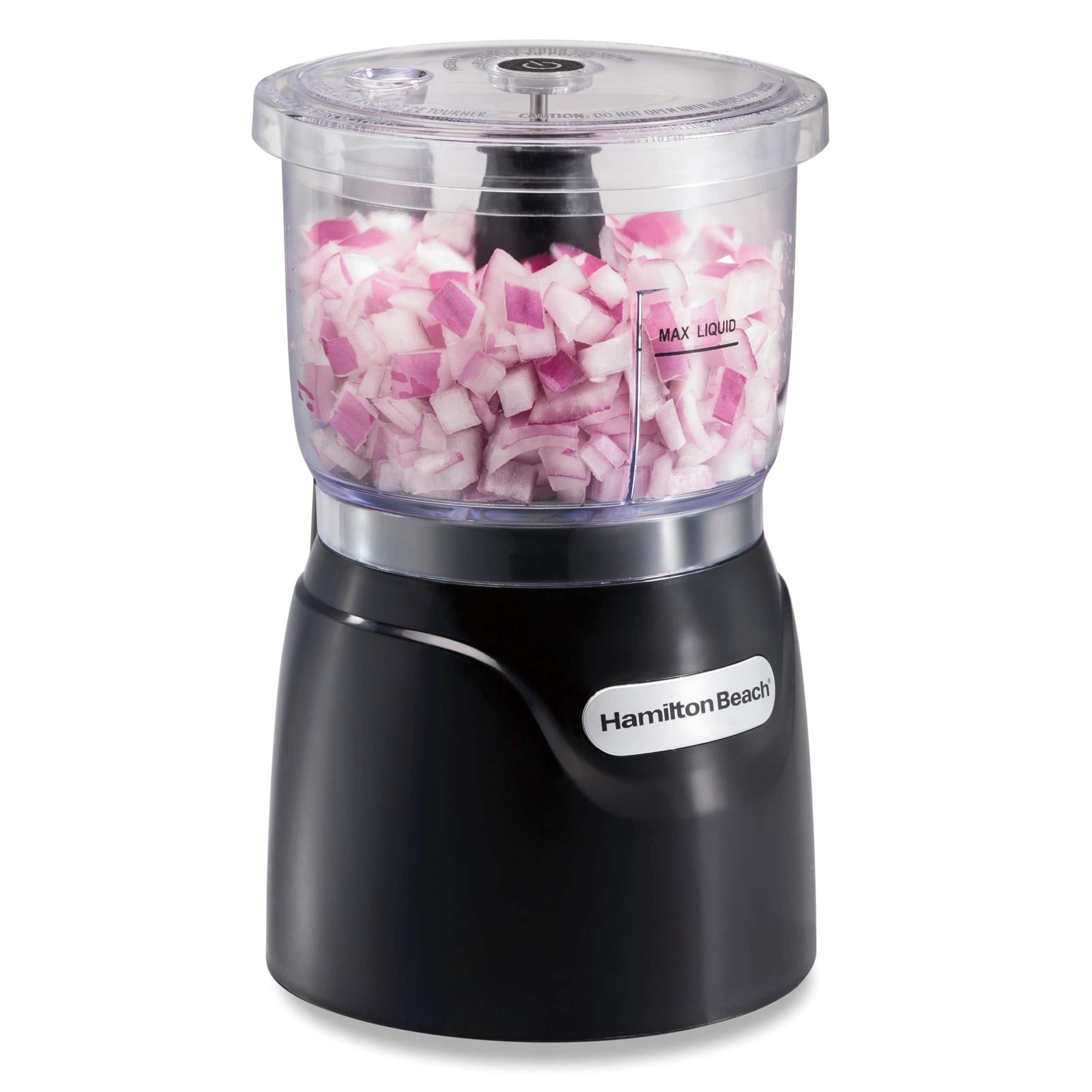
Best Hamilton Beach Food Processor 2026: Budget Models From Bowl Scraper to Stack & Snap
Which Hamilton Beach food processor to buy in 2026: the 10-cup bowl scraper for most kitchens, the 14-cup Duo for dough, and the 3-cup chopper for small jobs.
Read the guide →
Best Stainless Steel Food Processor 2026: Steel Bowls for Meat, Nuts and Garlic
Most stainless steel food processors are steel outside, plastic inside. The Koios AMJ-301 ships a real 304 steel bowl plus a glass one for meat, nuts and garlic.
Read the guide →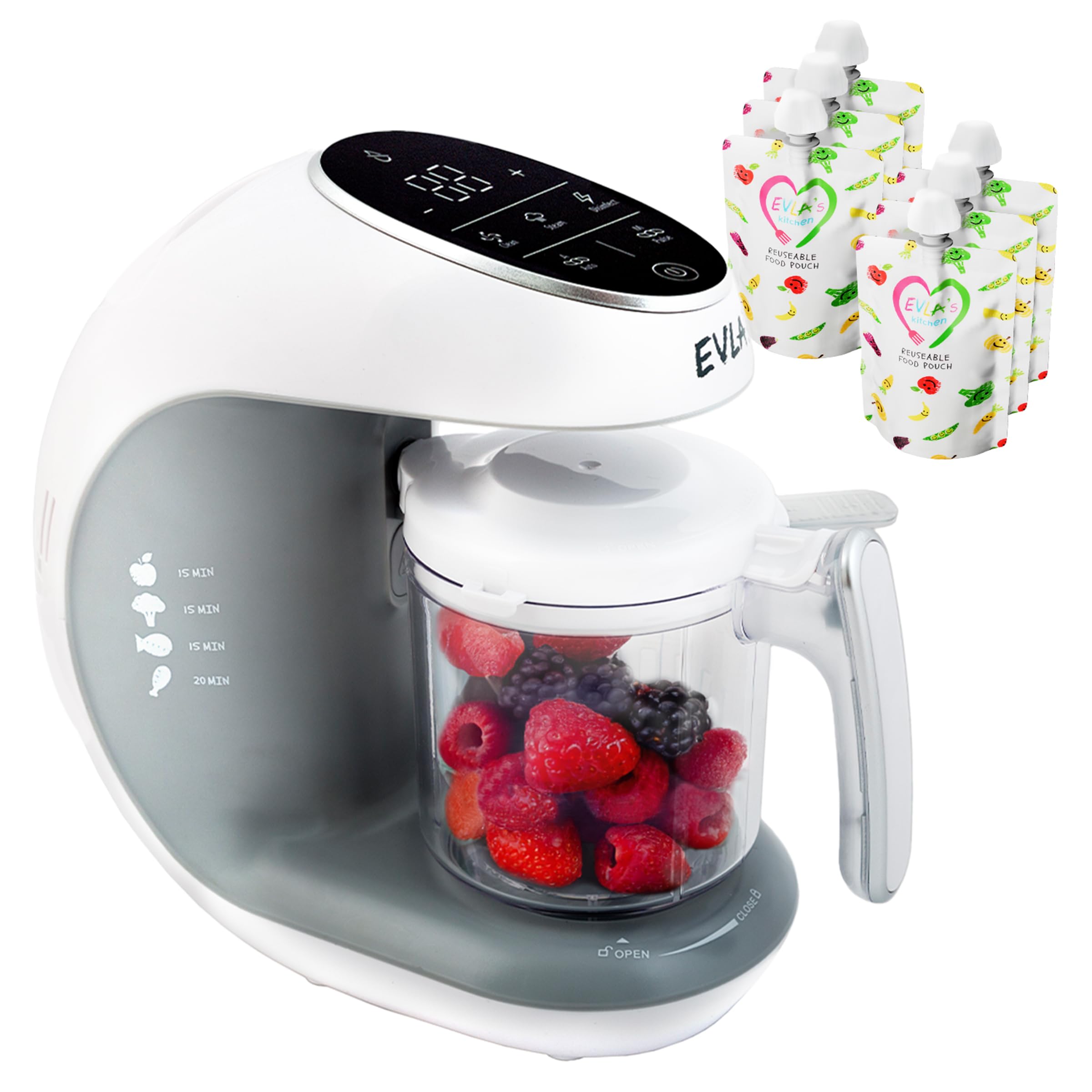
Best Baby Food Processor 2026: Steaming and Blending Purees in One Machine
The best baby food processor steams and blends in one bowl. Evla's BFMWHITE01 wins for adjustable steam time and speed; batch cooks get the Béaba Babycook Solo.
Read the guide →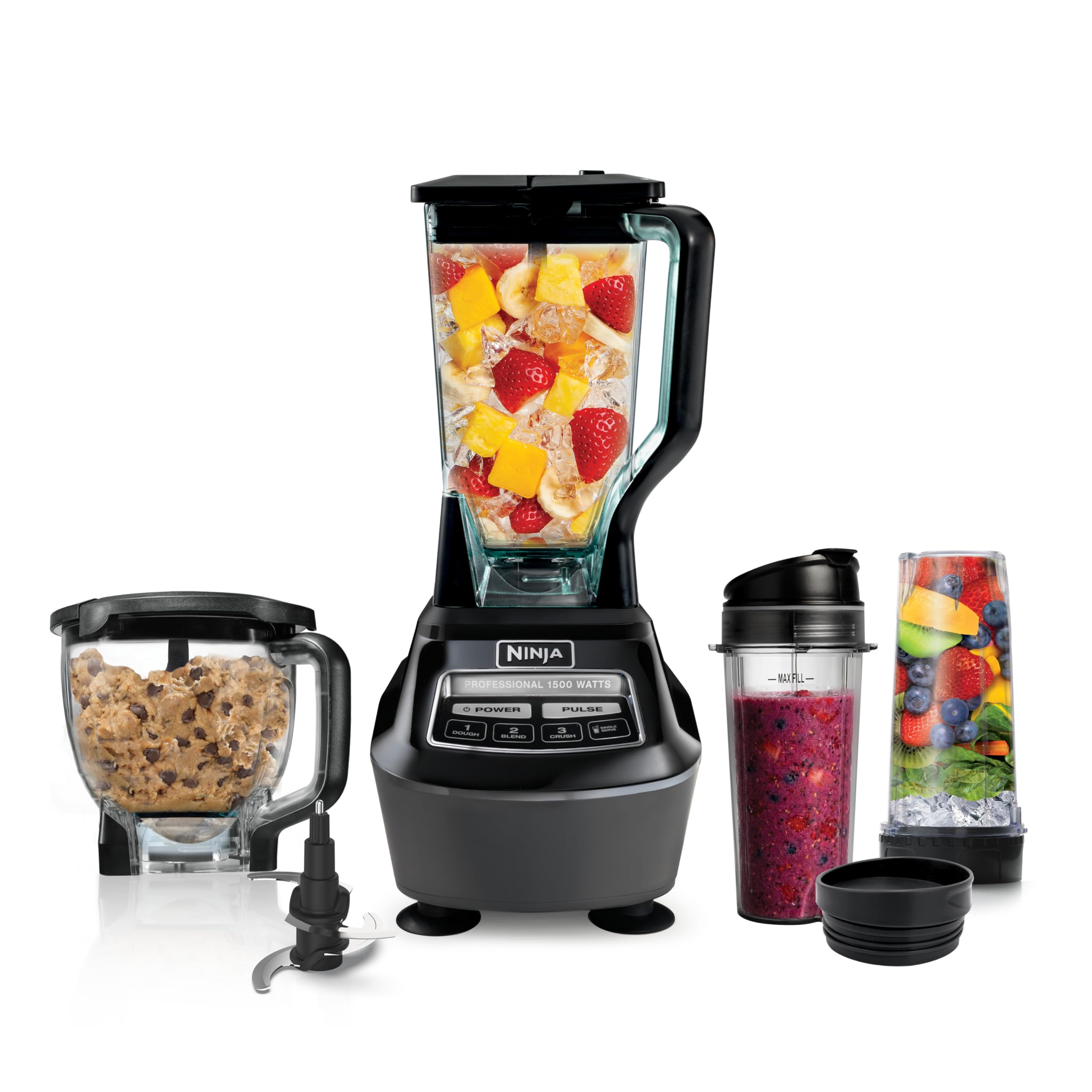
Best Food Processor Blender Combo 2026: One Base for Smoothies and Chopping
The Ninja Mega Kitchen System BL770 is the best food processor blender combo for most cooks. Compare five combos on bowl size, discs, jar and dough capacity.
Read the guide →
Best Food Processor for Grating Cheese 2026: Shredding Discs for Hard and Soft Cheeses
The best food processor for grating cheese ships a shredding disc, and the Hamilton Beach 70730 is our pick for bulk shredding. Disc sizes and chilling explained.
Read the guide →
Best Glass Food Processor 2026: Bowls That Won't Stain or Hold Odors
Glass-bowl food processors exist only as compact choppers of 8 cups or less. The five worth buying, and what glass cannot do.
Read the guide →
Best Dicing Food Processor 2026: Even Cubes Without Picking Up a Knife
Only a food processor with a dicing kit makes real cubes. The Breville Paradice 16 tops our 2026 ranking, with the Paradice 9 and two budget dicers behind it.
Read the guide → Best Food Processor for Kneading Dough 2026: Motors That Handle Bread Dough Without Stalling
The best food processor for kneading dough holds speed under a stiff batch and stays planted. See the top picks, dough limits and blade advice for 2026.
Read the guide →
Best Food Processor for Nut Butter 2026: Motors That Last Through Long Grinds
The best food processor for nut butter is the Cuisinart Custom 14, with a 14-cup bowl and a 5-year motor warranty. Combo picks for blending and small batches.
Read the guide →
Best Food Processor for Pie Crust 2026: Pulsing Butter Into Flour Without Overworking It
The Cuisinart Custom 14 is our top pick for pie crust: a 14-cup bowl, a low metal blade and a pulse you control. Plus the flour rule and why the S-blade wins.
Read the guide →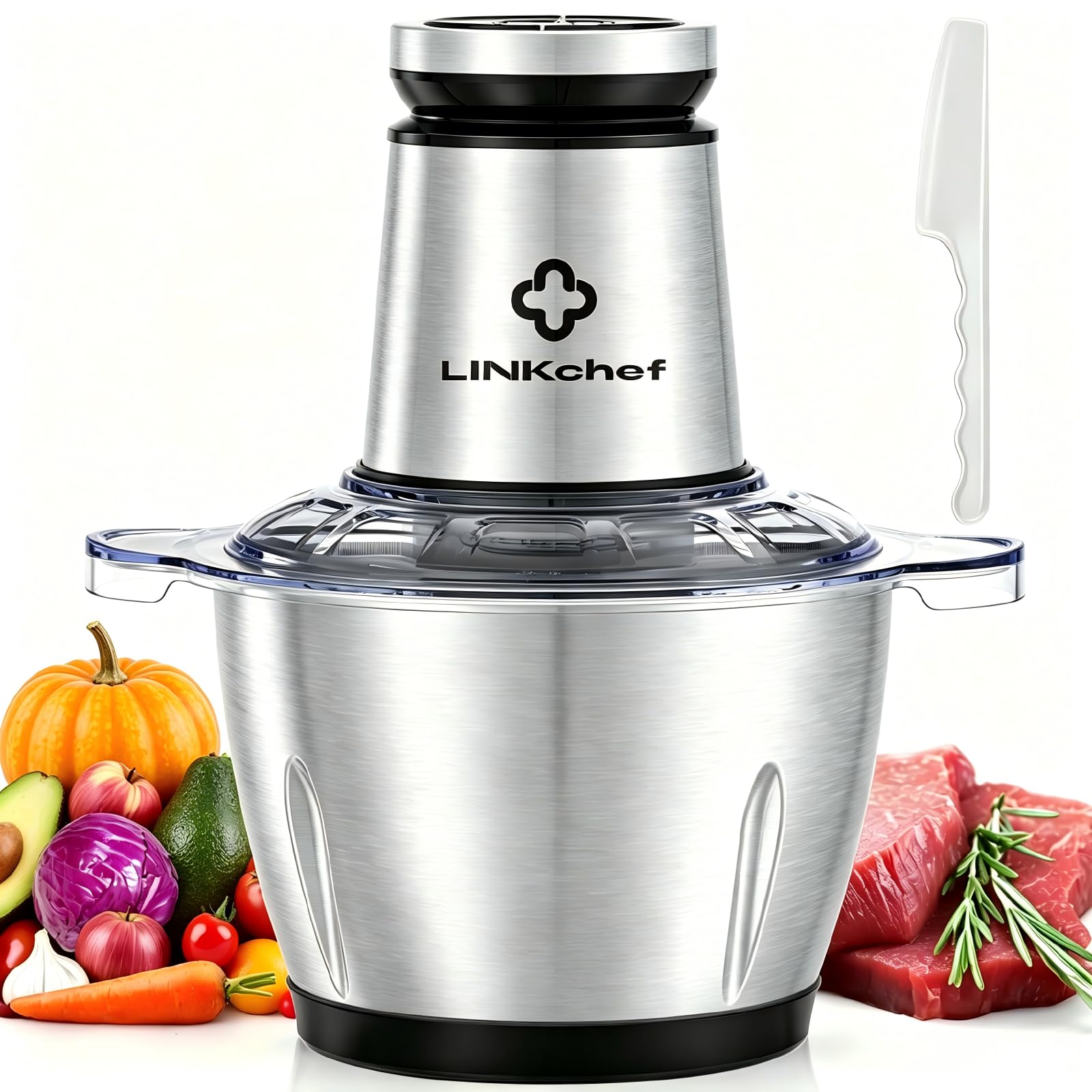
Best Food Processor to Grind Meat 2026: Motors and Blades That Handle Raw Cuts
The best food processor to grind meat is the LINKChef FC7048: 600W motor, 2.4 qt (2.3L) stainless bowl and two speeds that keep cubed chuck moving without stalling.
Read the guide →
Best Food Processor for Slicing 2026: Uniform Slices of Potatoes, Cucumbers and More
Shopping for a food processor slicer? We rank the best machines for uniform potato, cucumber and cabbage slices, and explain discs, thickness and feed tubes.
Read the guide →
Best Cordless Food Chopper 2026: Battery Life vs. Chopping Power
Cordless food choppers compared on battery math and chopping power. See which jobs a battery chopper handles, which it can't, and the model to buy.
Read the guide →
Best Food Processor That Spiralizes 2026: Veggie Noodles Without a Separate Gadget
The best food processor that spiralizes makes zoodles, ribbons and curly fries without a second gadget. See the top three picks and what each one cuts.
Read the guide →
Best 5-Cup Food Processor 2026: Small Bowls for Quick Daily Prep
The best 5-cup food processor for everyday small-batch prep is the KitchenAid KFC0516OB. Compare three compact machines and see when 5 cups is enough.
Read the guide →
Best 12-Cup Food Processor 2026: Room for Big Batches and Family Meals
The best 12-cup food processor for most cooks is the Ninja NF701, with the GE G8P1AASSPSS for accessory range and the Fohere FP9042 as the entry pick.
Read the guide → Best 10-Cup Food Processor 2026: The Middle Size for Everyday Cooking
The Hamilton Beach 70730 tops our 10-cup food processor picks with a bowl scraper and wide feed chute. Compare five mid-size machines for everyday cooking.
Read the guide →
Best 8-Cup Food Processor 2026: Enough Capacity Without Hogging the Counter
8 cups suits most small kitchens, but the bowl holds about 2 cups chopped. The Cuisinart FP-8GMP1 is our top pick, with a value processor behind it.
Read the guide →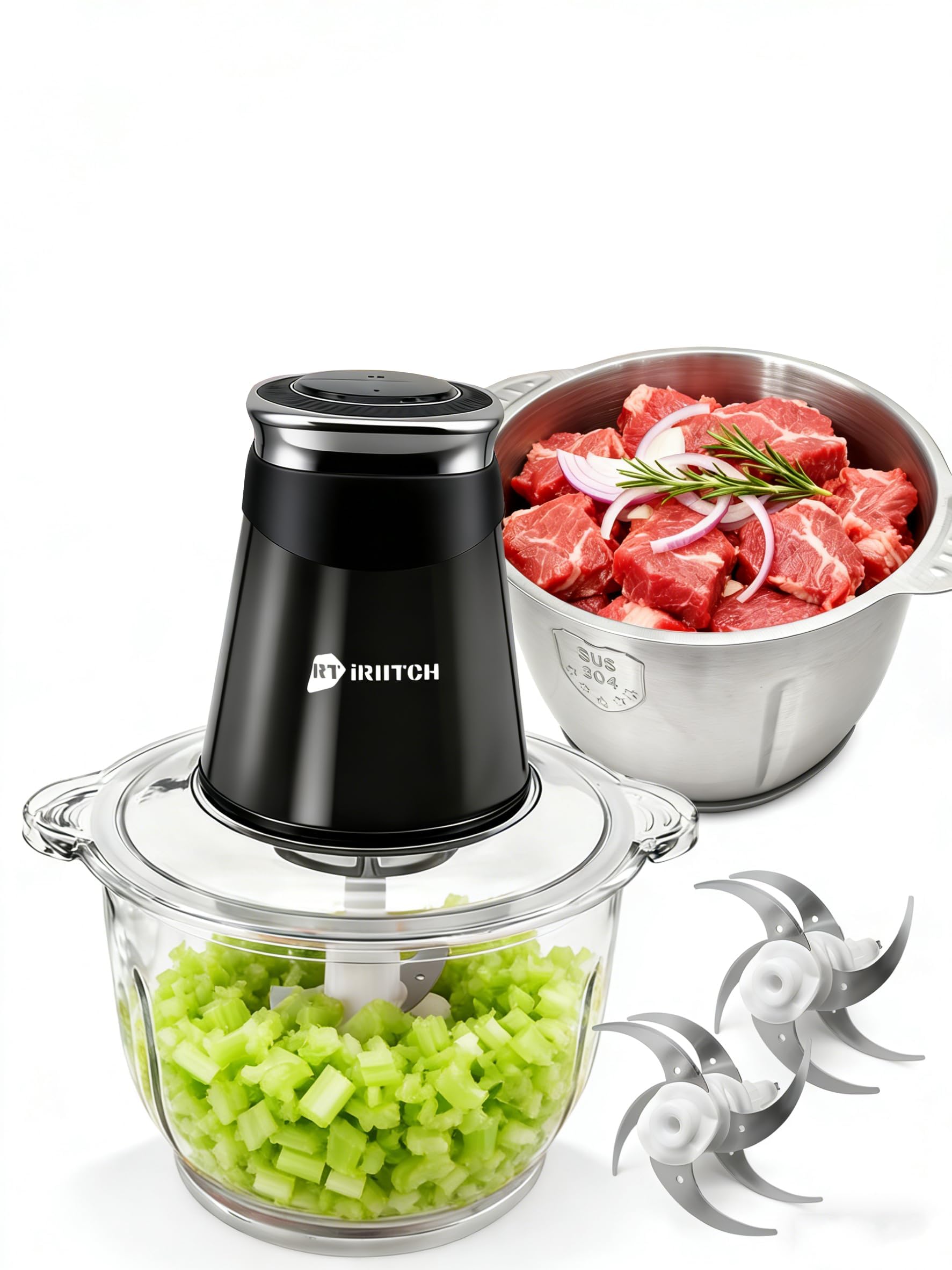
Best Non-Plastic Food Processor 2026: Keeping Plastic Out of Your Food Prep
The Ganiza GC10 puts a glass bowl and a 304 stainless bowl on the same base. See which non-plastic food processors keep plastic off your food, and what stays.
Read the guide →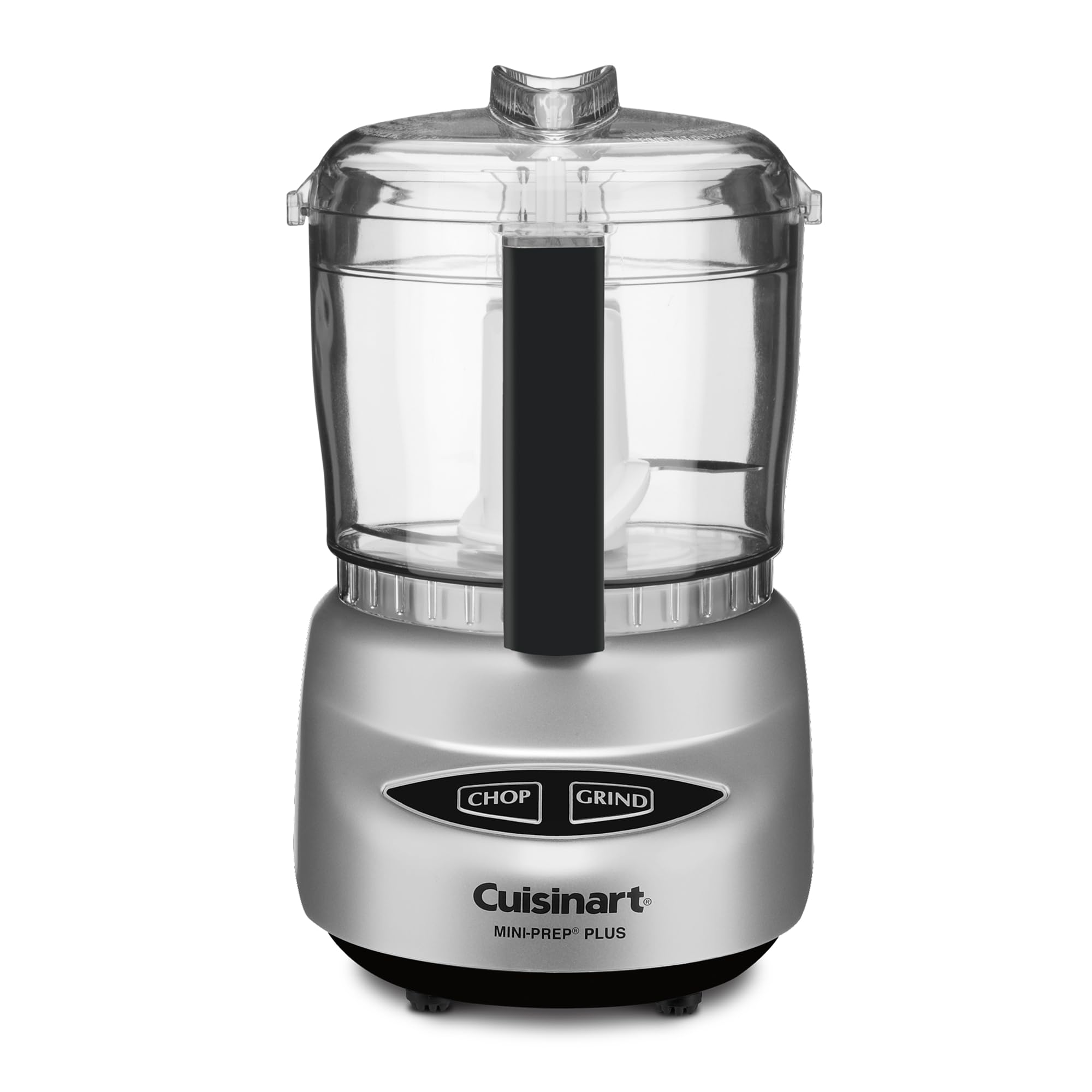
Best Food Processor for Nuts 2026: From Chopped Walnuts to Smooth Nut Butter
The best food processor for nuts depends on whether you chop, grind to meal or make butter. Our top pick keeps small batches under the blade.
Read the guide →
Best Continuous-Feed Food Processor 2026: Slicing Straight Into Any Bowl
Continuous-feed food processors slice and shred straight into a bowl without stopping. The Cuisinart FP-9CF wins for home cooks; see the ranking and buying advice.
Read the guide →
Best Food Processor for Potatoes 2026: Slicing and Shredding Discs for Fries, Gratins and Hash Browns
The best food processor for potatoes is the KitchenAid KFP1318, whose Exact Slice disc dials gratin to thick-cut. Discs, feed tubes and the mash warning.
Read the guide →
Best Quiet Food Processor 2026: Strong Motors That Won't Wake the House
The best quiet food processor for 2026: the Cuisinart DLC-10SYP1 leads on a heavy-duty motor built to run quietly, plus two calmer picks for smaller kitchens.
Read the guide →
Best Food Processor for Hummus 2026: Getting a Smooth, Creamy Texture
The best food processor for hummus matches your batch size and lets you stream oil in while it runs. See our top picks, batch math and the fix for grainy hummus.
Read the guide →
Best Magiccos Food Processor 2026: Large-Capacity Models with Storage Drawers
Which Magiccos food processor to buy in 2026: the FP408, FP406 and FP417 compared on speeds, blades, storage drawer, bowl capacity and warranty.
Read the guide →
Best White Food Processor 2026: Matching a Light Kitchen Without Losing Power
White is a finish, not a category. The white food processors worth buying in 2026, what each one handles, and what insisting on white costs you in performance.
Read the guide → Best Dishwasher-Safe Food Processor 2026: Models Whose Bowl, Lid and Blades Go in the Rack
Which food processors let you rack the bowl, lid and blades? Five models compared on what their manuals allow, plus how to load them so nothing warps or clouds.
Read the guide →Choosing between a material guide and a task guide
If you already know what you will make most often, begin with a task guide. Dough, nut butter and hummus put very different demands on a motor: dough needs torque without stalling, nut butter needs a motor that can run through long grinds, and hummus depends on a blade and bowl shape that produce a smooth texture. Pie crust is the opposite case, where short, controlled pulses matter more than raw power.
If your concern is what touches your food or how the machine looks and sounds, start with a material or design guide. Glass bowls resist stains and odors, stainless steel suits heavier jobs like meat, nuts and garlic, and non-plastic builds appeal to anyone limiting plastic contact. Quiet and white models are about living with the machine day to day.
When two guides seem to fit
Many needs overlap, and that is normal. A quiet machine can also be a strong one, and a glass bowl can still handle dough. When two guides apply, read the one tied to your hardest requirement first, then check whether its top picks also meet your second need before moving on.
Bowl capacity and motor power are the two criteria that carry across almost every guide. A larger bowl helps with batches and dough, while a stronger motor matters for dense or sticky loads. Weigh those two against your usual batch size before you let appearance or extras decide.